Position-responsive spatial audio
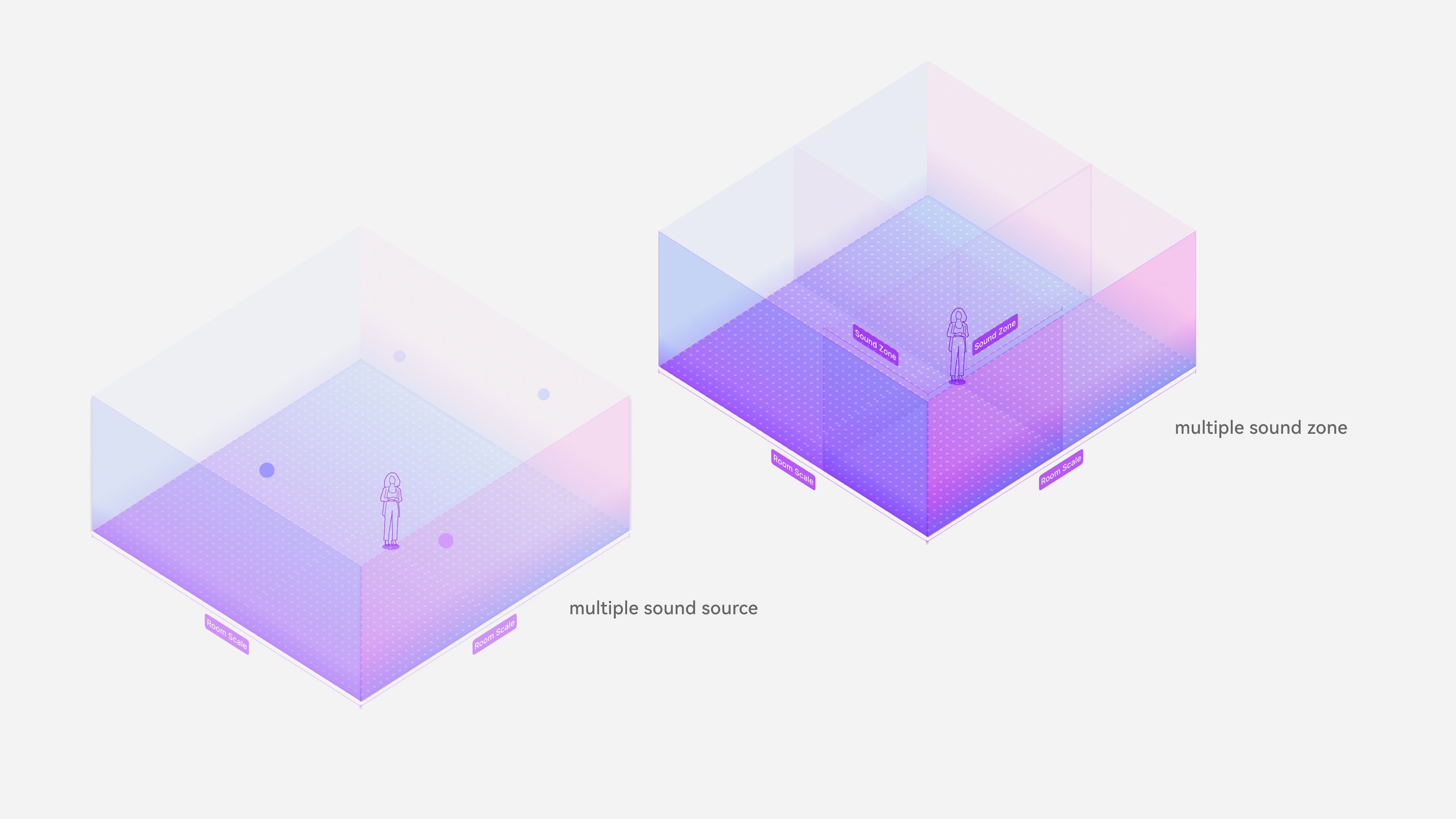
I developed a Spatial audioSpatial audio makes sounds seem to occupy places around a listener. Direction and distance communicate where a source is. When someone walks through an installation, those cues need to respond to the new position for the scene to feel connected to the room.Further readingValve — Steam Audio overview framework for exhibitions and installations where listeners move through a room. The audio updates with the listener's position.
The main requirements were responsive position tracking and operation without a VR headset.
Initial prototype and latency
I first tested sound-field control with ICST Ambisonics Tools in Max/MSP.
The initial prototype had noticeable delay when responding to a moving listener, reducing alignment between movement and sound.
I therefore prioritized reliable position updates alongside audio rendering.
The next prototype linked continuous position tracking to sound sources in a virtual scene.
Tracking and audio rendering
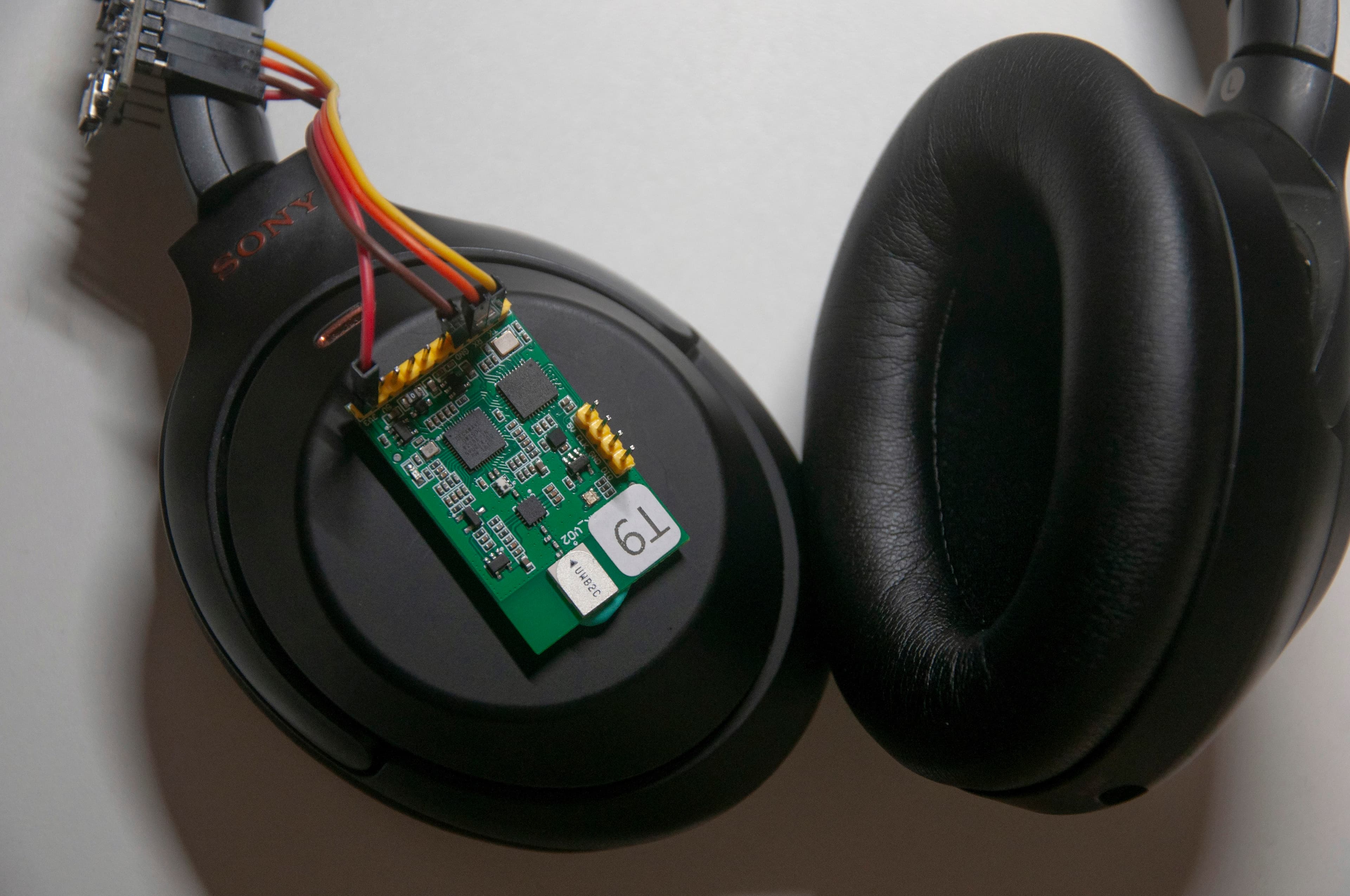
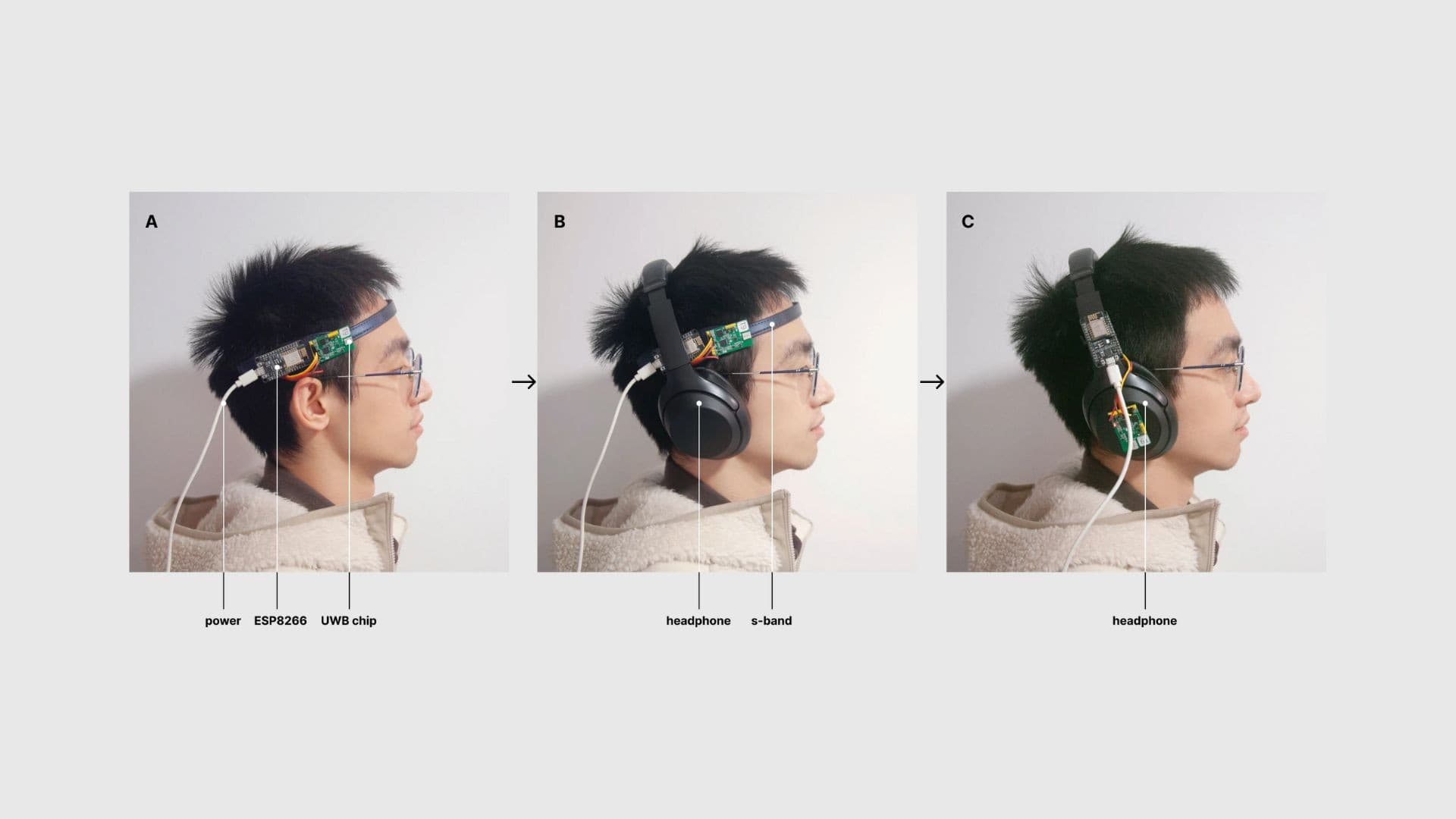
Wearable UWB · Ultra-wideband positioningUWB uses radio signals between a wearable tag and fixed points to estimate where the listener is. It gives Movable a way to follow a walk through a space without requiring the listener to stay in view of a camera.Further readingQorvo — The road to ultra-wideband and fixed anchors track the listener across the room. This supports spaces extending to tens of meters without camera line-of-sight tracking.
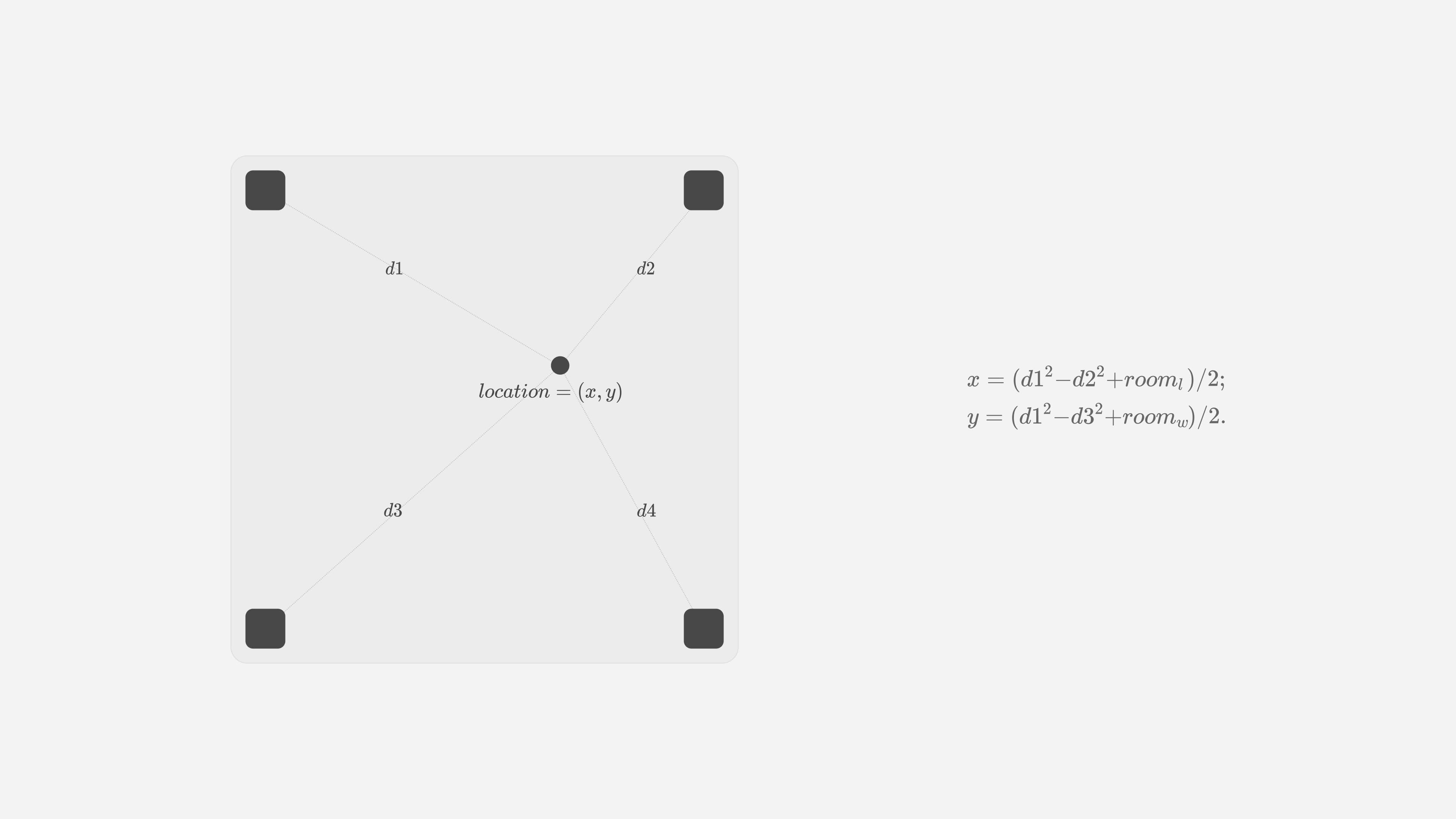
Position updates are transmitted wirelessly to UnityUnity is software for building interactive 3D scenes. In these projects it connects a virtual scene with movement, visuals, or spatial sound, so a designer can prototype how an experience responds over time.Further readingUnity manual. Small messages reduce the amount of data required for each update.
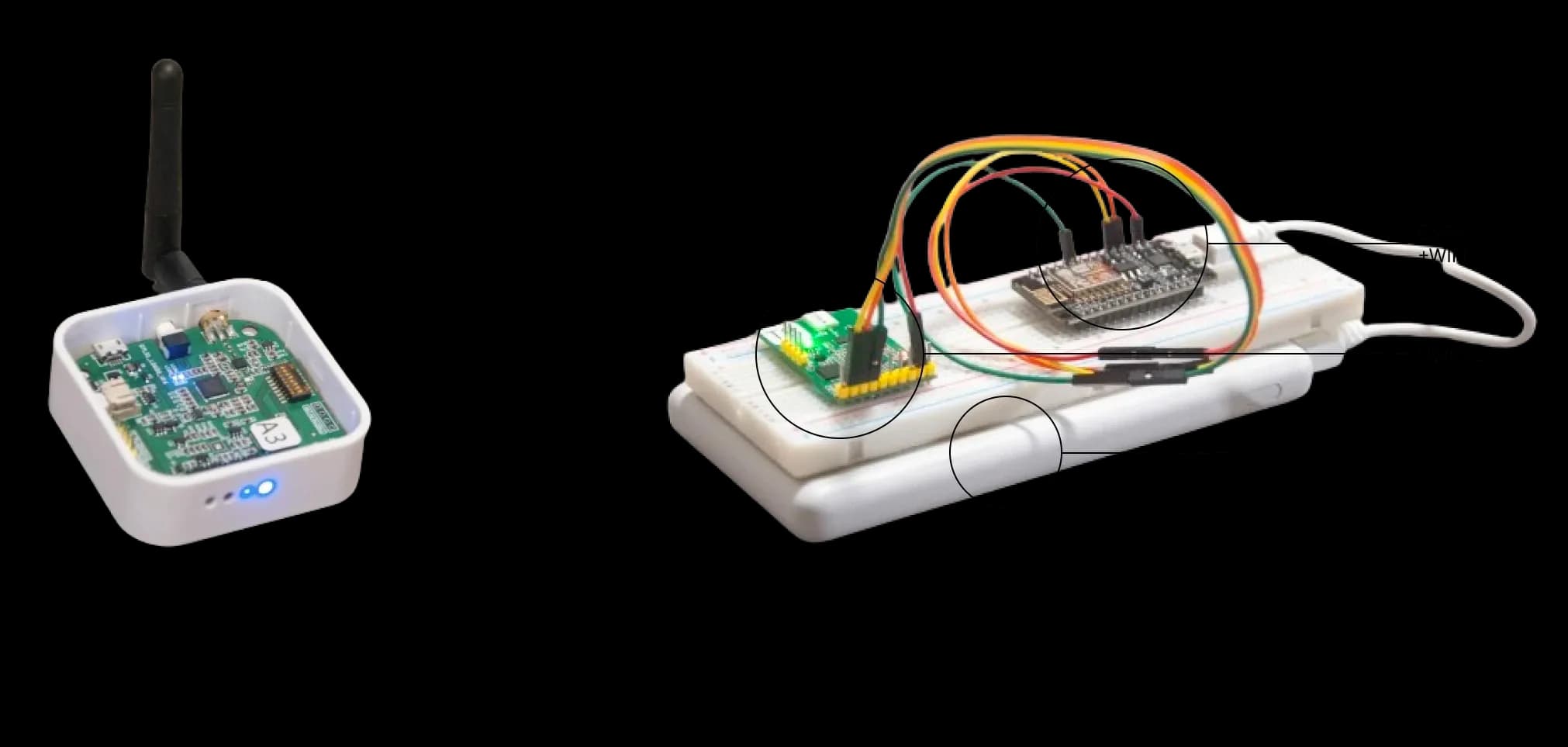
Unity places the virtual listener at the tracked position. Steam AudioSteam Audio helps a virtual sound respond to where a listener is: to the left or right, near or far, and affected by the room. In Movable, it turns the tracked physical movement into changes someone can hear through headphones.Further readingValve — Steam Audio Unity integration renders direction, distance, and room cues for headphone playback.
Separate sound sources can be placed at different positions in the virtual scene.
Room-scale testing
We tested the framework in rooms of increasing size. Participants reported that changes in sound location corresponded clearly with their movements.